Understanding the Attractiveness Test
The concept of attractiveness tests has gained significant attention in recent years, both in personal development and the beauty industry. As we navigate a society increasingly focused on image and self-presentation, these tests can provide insights that help individuals understand their aesthetic appeal. They combine science and technology to analyze various elements of a person's face and rank their attractiveness based on established beauty standards. When exploring options, attractiveness test tools are becoming a popular choice for many seeking self-assessment and improvement.
What is an Attractiveness Test?
An attractiveness test is a systematic method designed to evaluate the appeal of a person's facial features. Utilizing a combination of factors such as facial symmetry, proportions, and adherence to beauty standards like the golden ratio, these tests yield a score that reflects perceived attractiveness. They can be administered through various platforms, including AI software and online quizzes, making the concept accessible to a wider audience.
How Attractiveness is Measured
Attractiveness measurements often focus on specific metrics, including:
- Facial Symmetry: A critical indicator in studies of attractiveness, where symmetrical faces are often deemed more appealing.
- Proportional Balance: Applications of the golden ratio in facial measurements, where ideal proportions lead to higher attractiveness scores.
- Specific Features: Analyze elements such as eye size, mouth shape, and nose length in relation to each other.
The Science Behind Attractiveness Assessments
Numerous studies have attempted to quantify beauty, revealing that attraction is not purely subjective. Biological, psychological, and sociocultural factors combine to create a complex web of influences. Evolutionarily, humans tend to be attracted to features that signify health, fertility, and genetic fitness, which is often reflected in attractiveness tests.
Types of Attractiveness Tests Available
The landscape of attractiveness testing is diverse, with tools ranging from advanced AI systems to simple online questionnaires. Understanding these differences can help individuals choose the appropriate test for their needs.
AI-Powered Facial Analysis Tools
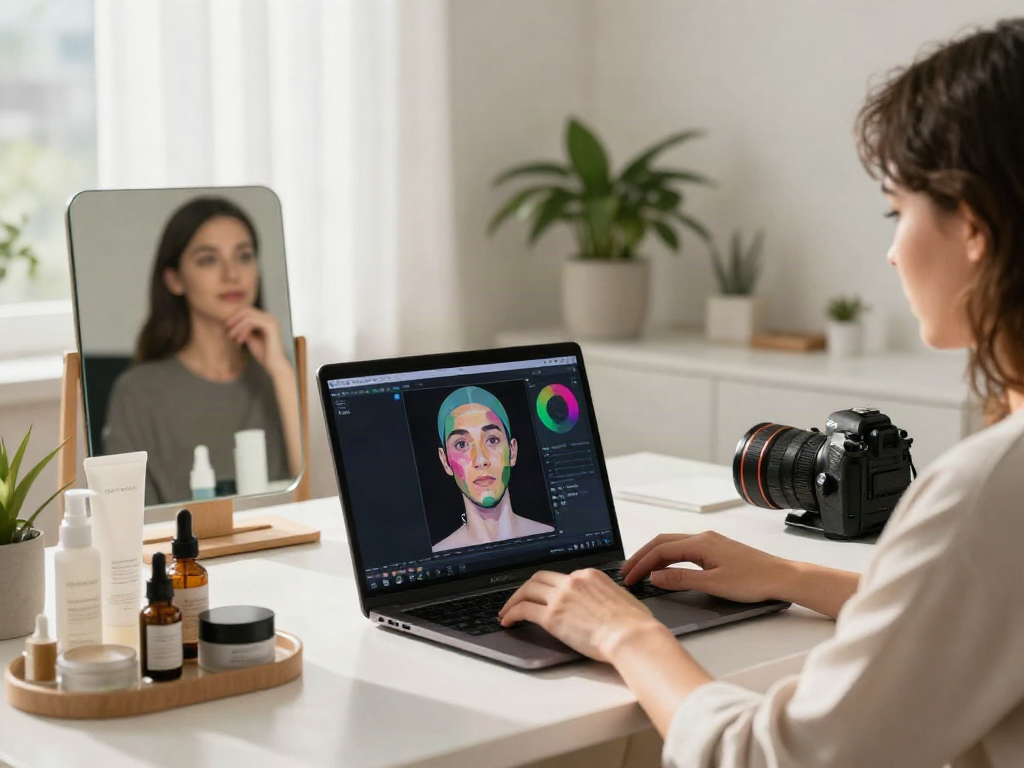
AI-powered tools dominate the current market, utilizing sophisticated algorithms to analyze uploaded photos. They assess facial features against a vast database of beauty standards, providing a nuanced analysis that includes scores on specific attributes such as noise symmetry and facial contours. These tools often yield more accurate results due to their reliance on quantifiable data rather than subjective opinions.
Online Quizzes and Polls
Less formal than AI tools, online quizzes and polls invite users to engage with their perception of beauty through a series of subjective questions. While they may not offer the scientific rigor of AI tools, they provide insight into how individuals perceive their attractiveness and can serve as a fun method for self-exploration.
Comparative Benchmarking Tests
These tests allow individuals to compare their attractiveness against a range of benchmarks, including average attractiveness scores from different demographics. This comparison can help users understand their standing within broader societal standards and may provide motivation for personal growth.
Benefits of Using an Attractiveness Test
Utilizing an attractiveness test can yield multiple benefits that extend beyond superficial validation. Here are some key advantages:
Boosting Self-Confidence
Results from attractiveness tests can bolster self-esteem by highlighting an individual’s strengths and unique features. Understanding one's appeal through a structured lens can help foster a more positive self-image, crucial for personal and professional development.
Understanding Beauty Standards
Attractiveness tests can serve as educational tools, helping individuals understand prevailing beauty standards. This awareness can empower users to embrace their unique characteristics while also providing insights into societal expectations regarding appearance.
Using Insights for Personal Growth
Many individuals use the results from attractiveness tests as springboards for personal development. Insights drawn from these tests can inform choices regarding lifestyle, grooming, and personal branding, tailoring one’s approach to enhance perceived attractiveness.
Challenges and Misconceptions
Despite their growing popularity, attractiveness tests are not without challenges and misconceptions that warrant consideration.
Common Misunderstandings of Beauty Tests
Many people mistakenly believe that attractiveness tests provide definitive answers about beauty. In reality, these tests should be viewed as tools for guidance rather than absolute judgments. Attractiveness is a multifaceted construct influenced by personal preferences and cultural differences.
Potential Psychological Impacts
While these tests can boost confidence, they can also lead to negative psychological outcomes for some individuals, especially if results do not align with personal expectations. It’s crucial for users to approach these tests with a balanced mindset and to recognize that external validation should not dictate self-worth.
How to Approach Results Genuinely
When interpreting results, users should focus on constructive outcomes, using feedback as a means for improvement rather than self-criticism. This approach enables individuals to leverage the attractiveness test as a form of personal development rather than a strict measure of self-worth.
Future Trends in Attractiveness Assessments
As technology evolves, so too do the methods for assessing attractiveness. Looking toward the future, several trends are emerging in this field.
Integrating AI with Personalized Beauty Solutions
The future of attractiveness testing lies in the integration of AI with personalized beauty solutions. By combining user data with advanced analytics, companies can offer tailored recommendations for grooming, styling, and even cosmetic enhancements based on individual results.
Emerging Technologies for Real-Time Analysis
As technology continues to advance, real-time analysis through augmented reality (AR) and virtual reality (VR) is becoming feasible. Users may soon engage with interactive tools that not only assess their attractiveness but also offer immediate feedback and suggestions.
Ethics of Attractiveness Testing in 2026 and Beyond
The ethics surrounding attractiveness testing will be vital as the industry progresses. Issues such as data privacy, the potential for reinforcing harmful beauty standards, and the psychological effects of testing must be at the forefront of discussions in both the beauty and tech industries.
What is the relevance of attractiveness tests today?
Attractiveness tests remain highly relevant amidst a society increasingly focused on image and self-presentation. As people seek affirmation in their appearance, these tests can offer valuable feedback in areas of personal growth, redefining beauty standards for a more inclusive approach.
How can I effectively interpret my attractiveness test results?
To effectively interpret results, individuals should consider their test scores as one of many facets of self-understanding. Engaging with the insights provided and recognizing the complexity of beauty can enhance personal development and self-acceptance.
Are there ethical concerns regarding attractiveness tests?
Yes, ethical concerns surrounding attractiveness tests include potential bias in algorithms and the perpetuation of unrealistic beauty standards. It’s critical for providers of these tests to consider inclusivity and respect diverse definitions of beauty.
Can attractiveness tests enhance personal branding?
Absolutely! By understanding and strategically leveraging the insights from attractiveness tests, individuals can enhance their personal branding. This understanding can guide choices in self-presentation, networking, and professional development.
What role do cultural perceptions play in attractiveness assessments?
Cultural perceptions significantly influence attractiveness assessments. Different cultures have varying ideals of beauty, which can shift over time. Understanding these cultural contexts can deepen insights gained from attractiveness tests and encourage a more holistic view of beauty.