Understanding the Excavator: Basics and Types
What is an Excavator?
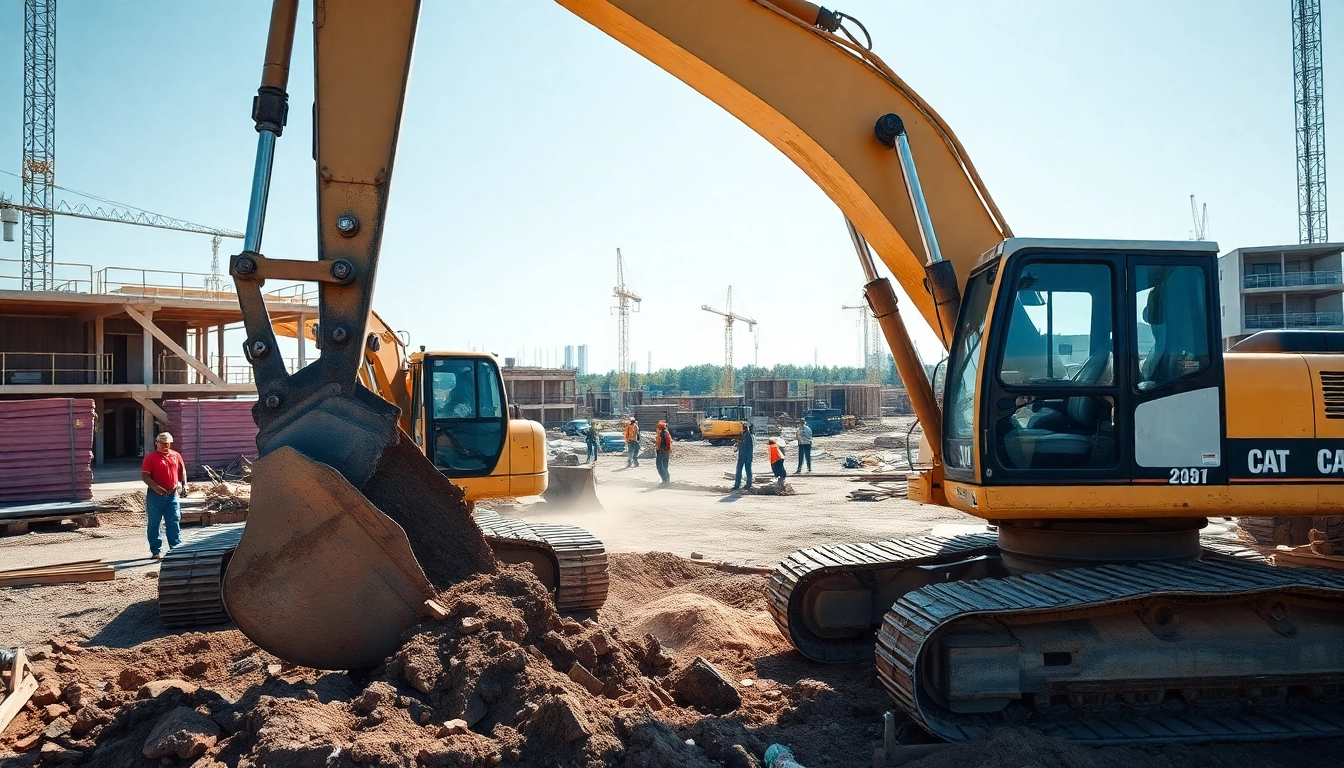
An excavator is a crucial piece of heavy construction equipment used primarily for excavation purposes, which includes digging, moving, and transporting materials. Known for its versatility, an excavator operates through a combination of hydraulic power and mechanical engineering. Generally, an excavator features a boom, dipper (or stick), bucket, and cab, all mounted on a rotating platform known as the “house.” This powerful machine is instrumental on construction sites, helping to facilitate numerous tasks including site preparation, trench digging, and material handling. With its ability to maneuver and work in confined spaces, the excavator is a reliable asset across numerous industries, including construction, mining, and landscaping.
Different Types of Excavators
Excavators come in various types, each designed for specific tasks and conditions. Understanding the differences can greatly enhance effectiveness in their application. Here are some of the mainstream types:
- Crawler Excavators: These excavators are designed with tracks instead of wheels, allowing for excellent stability and grip on uneven terrain. Ideal for large-scale projects like highway construction.
- Wheeled Excavators: Featuring wheels rather than tracks, wheeled excavators are perfect for faster movement across solid, flat surfaces, which makes them suitable for urban environments.
- Mini Excavators: Compact and highly maneuverable, mini excavators can work in tight spaces. They're often used for landscaping or smaller excavation projects.
- Long Reach Excavators: With extended arms and booms, these excavators can reach greater distances, making them suitable for tasks such as dredging or working in deep trenches.
- Hydraulic Excavators: These excavators utilize hydraulic power to operate their components, providing them with greater force and flexibility on-site.
Key Components of an Excavator
Understanding the key components of an excavator can help operators maintain efficiency and fully utilize the machine's capabilities. The primary components include:
- Boom: The long arm that extends from the base of the excavator, often fitted with a bucket or attachment for digging.
- Dipper Stick: The piece that connects the bucket to the boom, providing additional reach and leverage for digging.
- Bucket: The attachment used for digging and scooping material, available in various sizes and shapes based on the application.
- Cab: The operator's compartment, designed for comfort, visibility, and control of the excavator’s functions.
- House: The rotating part of the excavator that contains the cab and engines, allowing for easy maneuvering.
- Undercarriage: The supporting structure that can be either wheeled or tracked, contributing to the excavator's balance and movement.
Factors to Consider When Selecting an Excavator
Project Requirements
When selecting an excavator, it is essential to consider the specific requirements of your project. Different tasks may require different types of excavators; for example, larger excavators are suitable for heavy-duty projects like road construction, while mini excavators are better suited for landscaping and small-scale tasks. Evaluating the site conditions, such as soil type, space availability, and depth of excavation required, will significantly influence your choice.
Excavator Size and Power
The size and power of the excavator are crucial factors to consider for efficient operations. An excavator's weight can affect its ability to work effectively in certain conditions; larger machines typically have greater lifting capacities and digging force. It’s important to strike a balance—selecting an excavator that is powerful enough for the job without being excessively large for the space available to work in.
Budget Considerations
Your budget will inevitably play a significant role in the decision-making process when choosing an excavator. Costs can vary dramatically based on size, type, age, and whether the machine is new or used. New excavators can run anywhere from $100,000 to over $500,000 depending on specifications, while used models can offer considerable savings. Evaluate the long-term investment against the machine's expected performance and reliability to make an informed decision.
Best Practices for Operating an Excavator
Safety Guidelines
Prioritizing safety is paramount when operating an excavator. Operators should wear appropriate personal protective equipment (PPE), ensure that all site personnel is aware of machine operation, and follow standard safety protocols. Regular training and certification for operators can enhance skills and reduce risk factors. It is also essential to conduct pre-operation inspections to check for issues like fuel levels, fluid leaks, and the condition of the attachments.
Maximizing Efficiency
Maximizing an excavator's efficiency involves several practices. Operators should utilize smooth and controlled motions when digging, avoid unnecessary movements, and take advantage of load-sensing systems. Additionally, understanding the most effective attachments for specific tasks can significantly enhance productivity, facilitating tasks much faster than a standard bucket alone.
Maintenance Tips
Regular maintenance is vital to ensure an excavator operates effectively and lasts longer. Daily checks should include inspection of hydraulic fluid levels, filters, tracks, and the condition of the bucket and attachments. Scheduled preventative maintenance, following manufacturer recommendations, helps avoid costly repairs and downtime. Keeping a maintenance log can assist operators in monitoring machine performance over time.
Excavator Accessories and Attachments
Common Attachments for Versatility
The versatility of excavators can be significantly enhanced through various attachments. Common attachments include:
- Bucket Attachments: Different types of buckets are designed for specific tasks, such as digging, grading, or bucket-like scooping operations.
- Augers: Used for drilling holes in the ground, ideal for tasks such as planting trees and post-hole digging.
- Grading Blades: Ideal for leveling surfaces, grading land, or creating slopes.
- Hydraulic Hammers: Used for breaking concrete, rock, or other hard materials.
- Thumb Attachments: Enhance material handling by providing a gripping mechanism for logs, rocks, and debris.
Choosing the Right Attachments
Selecting the right excavator attachments ultimately depends on the specific nature of the tasks at hand. Understanding the intended application can guide the choice to maximize performance. Operators should assess whether they require standard, specialized, or custom attachments based on the project requirements.
Benefits of Using Attachments
Utilizing different attachments for excavators can provide multiple benefits, including increased efficiency, cost savings due to reduced machine wear, and the ability to tackle a wider variety of tasks without needing separate equipment. This versatility makes excavators an invaluable resource on construction sites, minimizing the need for multiple machines and expanding the operational capabilities for contractors.
Frequently Asked Questions about Excavators
What is the average cost of an excavator?
The average cost of an excavator can vary widely based on size and type. Full-sized excavators can range from $100,000 to $500,000, while mini excavators might cost between $80,000 and $150,000. Used models can be significantly cheaper, often around 25% of the original price.
How do I maintain an excavator?
Maintenance involves daily checks on fluids and mechanical components, regular oil changes, replacement of filters, and scheduled inspections based on the manufacturer's guidelines. Keeping a detailed log of maintenance activities promotes better performance and longevity.
What projects are best for excavators?
Excavators excel in a variety of projects including digging foundations, trenching for utilities, landscaping, site preparation, and even demolition tasks. Their versatility makes them suitable for numerous construction-related industries.
Can an excavator work in all terrains?
While excavators are quite versatile, their performance can vary based on the terrain. Crawler excavators are better for soft or uneven ground, whereas wheeled excavators thrive on hard, flat surfaces. Mini excavators are suitable for tight spaces and softer terrain.
Where can I rent or buy an excavator?
Excavators can be rented or purchased from equipment rental companies, dealerships specializing in construction equipment, and classified listings for used machinery. Researching the options can help find the best fit for specific needs and budgets.
Contact Information
Call Us: 4062607988Address: 3906 MT-40, Columbia Falls, MT 59912