Introduction to Giant Building Blocks
Giant building blocks provide a unique avenue for creativity and play, combining fun with educational benefits. Made from soft foam, these blocks are ideal for children of various ages, enabling them to construct imaginative structures and engage in cooperative play. Whether you are looking to enrich playtime or create a productive learning environment, soft foam building blocks serve as an excellent tool. For insights into buying options, get the details to make an informed choice.
Benefits of Soft Foam Blocks
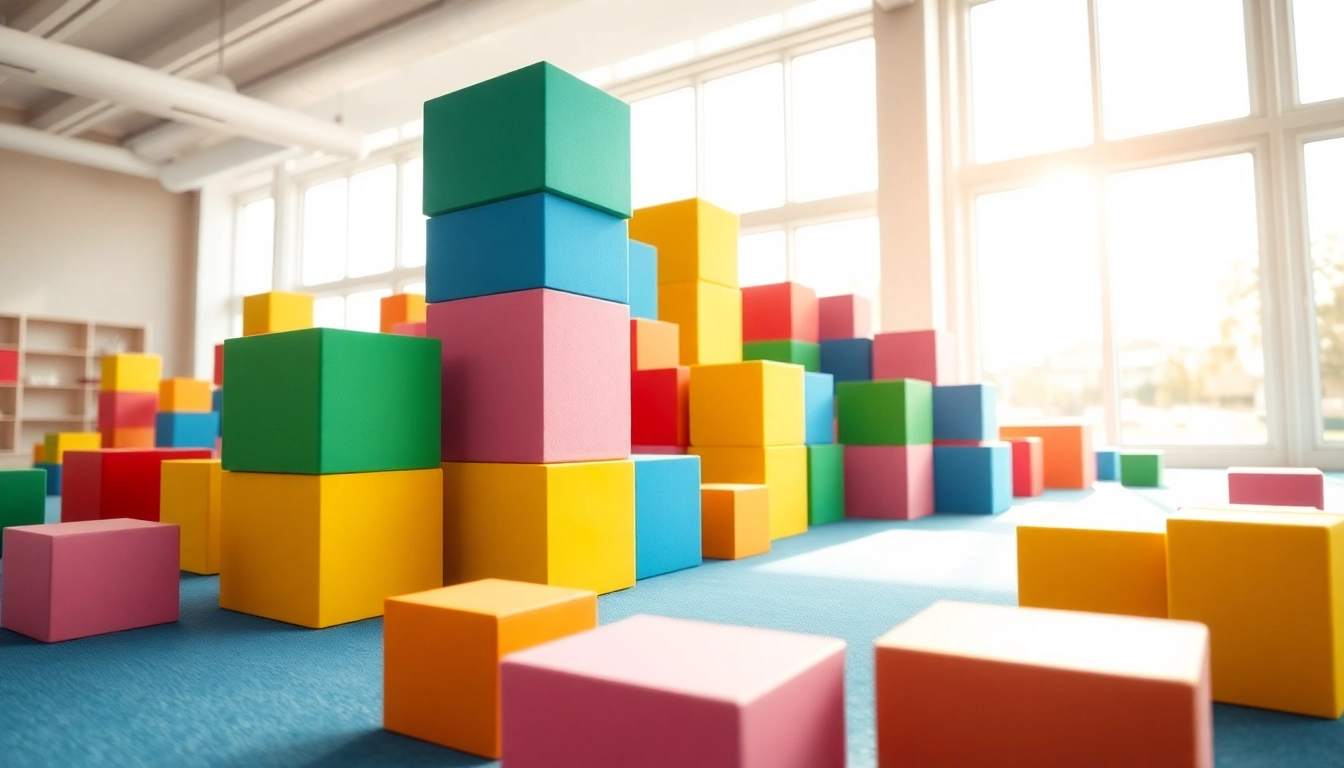
Soft foam building blocks offer a myriad of benefits for children's development. Their lightweight nature ensures safety, preventing injuries during imaginative play. Unlike traditional wooden or plastic blocks, soft foam blocks minimize the risk of harmful impacts, making them ideal for use in various environments such as homes, classrooms, and playgrounds. Additionally, the vibrant colors and various shapes stimulate sensory engagement, enhancing visual perception.
How to Choose the Right Size
Selecting the appropriate size of building blocks can greatly affect play and learning experiences. For younger children, smaller blocks are more manageable and allow for intricate designs, while larger blocks provide stability for larger structures. Consider the age group of the intended users; larger blocks are often better suited for toddlers, whereas school-aged children may enjoy smaller, more diverse options. Moreover, ensure that the size isn't too cumbersome, allowing ease of manipulation and creativity.
Safety Features to Consider
When choosing soft foam building blocks, safety features are paramount. Look for items that come with non-toxic materials and have been tested for safety standards. Rounded edges and soft surfaces are crucial to prevent injuries and ensure an enjoyable play experience. Blocks that can withstand rough handling without tearing or degrading are also important for longevity. A reputable manufacturer will provide information on safety compliance, lending peace of mind to parents and caregivers alike.
Engaging Playtime Activities
Building blocks are more than just toys; they are gateways to numerous engaging activities that foster creativity and teamwork. The versatility of soft foam blocks allows for the development of play scenarios that can captivate children's attention for hours.
Imaginative Play Scenarios
Imaginative play scenarios are critical for cognitive development in children. When using giant building blocks, children can enact various roles from architects to superheroes, creating multifaceted storylines. Encouraging them to build their dream homes or even fortresses promotes creativity. Incorporating themes like castles, spaceships, or markets can also help engage children's interests while promoting language skills through dialogue and role-play.
Group Games and Collaboration
Group activities using building blocks teach valuable lessons in collaboration and communication. Setting challenges where children must work together to complete projects encourages teamwork. Games like "The Tower Challenge," where groups race to build the tallest structure, not only spur friendly competition but also teach children about strategy, planning, and group dynamics. Allowing children to lead themselves in play fosters self-confidence and a sense of belonging.
Building Challenges for Kids
Integrating building challenges into playtime can help structure activities while promoting problem-solving skills. Challenges like creating specific shapes or utilizing a limited number of blocks will encourage inventiveness and resourcefulness. For an added layer of complexity, introduce time constraints or collaborative design tasks. This not only stimulates cognitive thinking but also encourages resilience in overcoming obstacles during play.
Creative Building Techniques
As kids delve into the world of building with foam blocks, introducing creative techniques can enhance their experiences and help them develop essential skills.
Designing Structures Safely
Teaching children to design structures safely is a critical aspect of using building blocks. Prioritize stability by emphasizing the importance of a solid base when constructing tall structures. Encourage children to experiment with triangle shapes, as they often provide more stability than squares. Discussing the physics behind balance during play sessions can spark curiosity and lead to deeper learning experiences.
Incorporating Movement and Balance
Movement and balance can be integrated into block play by having children engage in activities that require them to carry blocks or balance while building. For instance, tasks that involve hopping on one foot while transporting blocks can promote physical skills, while also integrating play. This dual focus on building and movement develops gross motor skills along with spatial awareness, making playtime both dynamic and educational.
Maximizing Space for Play
Maximizing play space is essential when utilizing giant building blocks. Designate specific areas where blocks can be used freely, ensuring there is sufficient space to create without obstructions. Use floor mats to define play zones, allowing children to envision architectural layouts. Even in smaller spaces, children can engage in creative building through vertical designs that encourage upward construction rather than sprawling horizontally.
Educational Benefits of Building Play
Beyond mere entertainment, soft foam building blocks provide distinct educational advantages, contributing to various aspects of children's growth.
STEM Learning Through Play
Building play is a natural conduit for STEM learning. Children can explore fundamental engineering concepts by studying how structures stand and fail. By encouraging them to consider weight distribution and structural integrity, you naturally foster an interest in physics and math. Moreover, discussing concepts such as symmetry and geometry while building shapes adds significant educational value.
Enhancing Motor Skills
Engaging with building blocks enhances both fine and gross motor skills. When children manipulate blocks—stacking, balancing, or moving them—they practice hand-eye coordination and strength development. Encouraging different methods of assembly can further hone these skills, improving dexterity over time. Regular play can lead to noticeable improvements in children's overall physical capabilities.
Fostering Social Interaction
Playing with building blocks in group settings promotes social interaction and communication skills. Children learn to share resources, negotiate ideas, and develop empathy as they work alongside peers. As they engage in joint tasks and collaborate on projects, they cultivate relationships, expand their vocabulary, and learn how to express themselves effectively. These social competencies are invaluable for their interpersonal development.
Maintenance and Care for Foam Blocks
To ensure the longevity and cleanliness of your soft foam building blocks, proper maintenance is essential. Keeping them in good condition not only promotes safety but also enhances the play experience.
Cleaning and Sanitizing Tips
Regular cleaning prevents the buildup of dirt and germs on foam blocks. Use a mild soap mixture and a soft cloth to wipe down surfaces. For deeper sanitation, consider using a diluted solution of vinegar or a commercial disinfectant approved for foam materials. Regularly inspect blocks for tears or damage that may harbor bacteria and necessitate replacement.
Storing Blocks Effectively
Effective storage is crucial for maintaining the quality of your building blocks. Designate a dedicated storage area that allows for easy access while keeping blocks organized. Use bins or shelves to stack blocks neatly, and encourage children to help with the cleanup to instill responsibility. Avoid stacking blocks too high, as this could cause them to become misshapen or damaged over time.
Extending the Life of Your Blocks
To extend the lifespan of foam blocks, it's essential to educate users on proper handling techniques. Discourage excessive force or throwing, and guide children on how to lift and move blocks with care. Additionally, consider rotating the use of blocks to distribute wear evenly and prolong their use. Regularly replacing excessively worn blocks will maintain a safe and enjoyable play environment.
Frequently Asked Questions
What age group are soft foam building blocks suitable for?
Soft foam building blocks are generally suitable for children aged 1 and up, as they provide a safe and engaging play environment for various developmental stages.
Can foam blocks be used outdoors?
While foam blocks can be used outdoors, it's best to supervise their use to prevent damage from harsh weather conditions. Gradual exposure can help maintain their condition.
Are there any specific maintenance tips for foam blocks?
Regularly clean your foam blocks with a mild soap solution, and inspect them for any signs of wear or damage to ensure safe play.
Do foam blocks come in different colors and shapes?
Yes, soft foam blocks are available in a variety of colors and shapes, adding sensory engagement and stimulating creative play in children.
How can foam building blocks aid in learning?
Foam building blocks can enhance learning by promoting STEM concepts, improving motor skills, and fostering social interaction through collaborative play.