
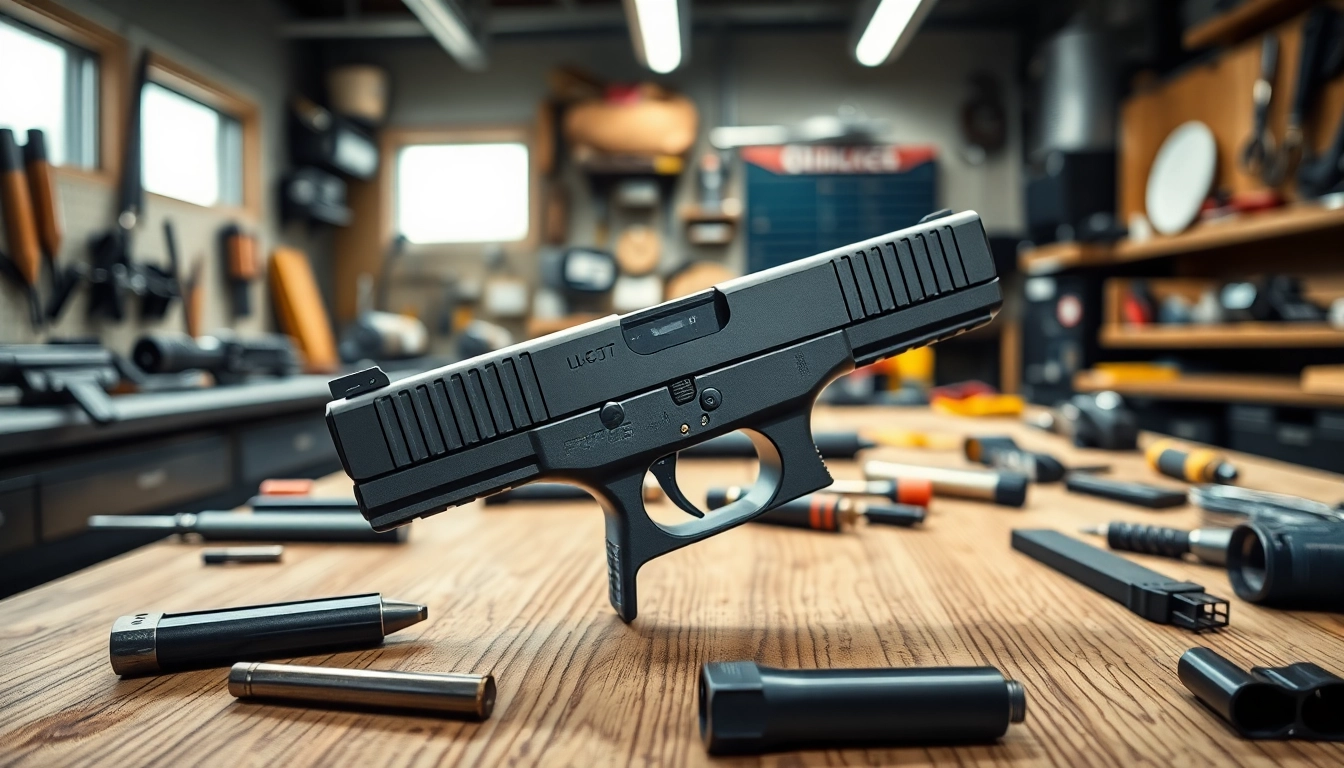
Introduction to Glock 43 Slide Features
The glock 43 slide is not just a component of the firearm; it embodies the essential features and performance characteristics that every owner needs to understand. From compact dimensions suited for concealed carry to the intricate engineering behind its reliability, the Glock 43 slide plays a pivotal role in enhancing the functionality and overall experience of the shooter. In this article, we will delve into the various aspects of the Glock 43 slide, exploring its features, installation, maintenance, and answering some common questions that firearm enthusiasts might have.
Understanding the Basics of Glock 43
The Glock 43 is a single-stack 9mm pistol known for its slim profile and lightweight design, which makes it a popular choice among concealed carry permit holders. With its 6-round magazine capacity, this firearm offers an excellent balance of size and ammunition availability, facilitating easy handling and shooting. The Glock 43 is lauded for its reliability, safety features, and ease of use, which are crucial factors for both novice and experienced shooters. Understanding the basics of the Glock 43 is essential as it forms the foundation upon which the significance of its slide can be comprehended.
Key Features of the Glock 43 Slide
The Glock 43 slide is thoughtfully designed to optimize performance and ensure durability. Key features include:
- Material Composition: Typically made from high-quality steel, the slide's durability is paramount for withstanding repetitive firing and wear.
- Integrated Sights: The slide includes dovetail-cut rear sights, allowing for easy upgrades or replacements.
- Recoil Spring Assembly: A vital component that helps mitigate recoil and increases the longevity of the firearm.
- Finish Options: The slide often comes with various finishes such as nitride or Cerakote, enhancing corrosion resistance and aesthetic appeal.
Importance of Quality in Replacement Slides
When considering a replacement slide for your Glock 43, the importance of quality cannot be understated. Inadequate slides can lead to malfunctions, safety issues, and even accidents, making it necessary to opt for slides that meet certain standards of excellence. Quality manufacturing techniques not only affect the aesthetic aspects but also the functional components, as a well-crafted slide ensures better fitment, improved ergonomics, and the necessary robustness to endure prolonged use.
Comparing Glock 43 Slide Options
Once you've decided to enhance your Glock 43 with a new slide, the next step is to understand the various options available in the market. Each slide can influence not only the performance of the firearm but also how you handle it in a real-world scenario.
Material Differences in Slides
Glock 43 slides are commonly made from a variety of materials, with steel being the primary choice due to its strength and durability. However, alternative materials like aluminum and polymer can also be found in some aftermarket slides. Steel offers superior durability and is less prone to deformation under extreme pressure. Aluminum is lighter, which can be beneficial for carrying ease but may not be as robust. It's crucial to assess your needs and preferences when selecting a slide based on material type.
Aftermarket vs. OEM Glock 43 Slides
The debate between aftermarket and OEM (Original Equipment Manufacturer) slides is an ongoing one. OEM slides are manufactured to the exact specifications established by Glock, ensuring compatibility and high performance. In contrast, aftermarket slides may offer unique designs and features, including aesthetic modifications or improvements in weight and recoil dynamics. However, the challenge with aftermarket options is ensuring quality and compatibility with your Glock 43. Researching customer reviews and product information can help make an informed decision.
Common Brands Producing Glock 43 Slides
Numerous brands produce slides for the Glock 43, providing a spectrum of choices in terms of design, material, and performance enhancements. While the specifics of brand names are not discussed, it is essential for buyers to research and evaluate various offerings, ensuring they choose a reputable source known for producing reliable and high-quality firearm components. Online forums and user communities often provide insights and user experiences that can assist in narrowing down the best options.
Installation Process for Glock 43 Slide
Installing a replacement slide on your Glock 43 is not an overly complex task, but it requires attention to detail and the right tools. Proper installation ensures seamless operation of your firearm without loss of quality or performance.
Tools Required for Replacement
Before you begin the installation process, it's essential to gather the necessary tools. Here’s a list of what you will typically need:
- Armorer's tool or punch set
- Screwdriver (flat head and Phillips)
- Bench vise (optional)
- Cleaning materials (to ensure the firearm is clean before you start)
Step-by-Step Installation Guide
The following steps outline the process of replacing your Glock 43 slide:
- Ensure Safety: Always begin by ensuring the firearm is unloaded. Remove the magazine and check the chamber.
- Remove the Old Slide: Use an armorer's tool to push down on the slide lock and slide it off the frame. Keep the recoil spring and barrel intact to simplify the process.
- Prepare the New Slide: Slide the barrel and recoil spring into the new slide. Ensure everything is properly seated before proceeding.
- Install the New Slide: Align the new slide with the frame and apply gentle pressure to slide it back into place until you hear and feel it lock securely.
- Function Test: Once installed, perform a function test (without ammunition) to ensure everything operates smoothly.
Common Mistakes to Avoid During Installation
While installing a new slide may seem straightforward, certain common mistakes can hinder functionality. Here are some pitfalls to avoid:
- Neglecting safety checks: Always ensure the firearm is unloaded before working on it.
- Incorrect alignment: Make sure the slide aligns properly with the frame to avoid malfunctioning.
- Forgetting to lubricate: Use appropriate lubrication on moving parts to ensure smooth operation.
Maintaining Your Glock 43 Slide
Just as understanding how to install your Glock 43 slide is crucial, maintaining it is equally important to ensure longevity and reliability.
Cleaning and Care Tips
Regular cleaning is essential for sustaining the functionality of your Glock 43 slide. Here are some key tips to keep it in optimal condition:
- Use a brushes and cloth to remove residue after each use, focusing on the grooves and mechanisms.
- Apply a light gun oil on movement areas to prevent rust and ease slide action.
- Avoid excessive moisture when cleaning, as it can attract dirt and lead to corrosion.
Signs of Wear and When to Replace
It’s critical to recognize signs of wear on your Glock 43 slide. These can include:
- Visible cracks or deformation in the metal.
- Inconsistent ejection of brass cases.
- Failure to properly cycle rounds during operation.
If any of these symptoms occur, consider replacing the slide to ensure safety and performance.
Adjusting and Tuning the Slide Performance
To optimize your Glock 43 slide’s performance, tuning may be necessary. Adjustments could include altering the recoil spring weight or swapping out the sights for better aiming. Regular performance assessments allow you to modify aspects that might not suit your needs and enhance overall shooting satisfaction.
FAQs About Glock 43 Slide
How do I know if my Glock 43 slide needs replacing?
Look for cracks, excessive wear, or diminished accuracy. Regular visual inspections are recommended to maintain performance and safety.
Can aftermarket slides affect my Glock 43's accuracy?
Yes, compatibility and construction quality significantly affect accuracy. Choose trusted brands for maintaining optimal performance standards.
Is installing a new slide difficult?
With basic tools and clear instructions, most enthusiasts can manage the installation. If unsure, seeking professional assistance is advisable.
What materials are best for a Glock 43 slide?
High-quality steel and aluminum are preferred for their durability and resistance to corrosion. Always verify the material's integrity before purchasing.
How often should I clean my Glock 43 slide?
Regular cleaning after every few uses is essential for maintaining functionality and extending the slide’s lifespan.