
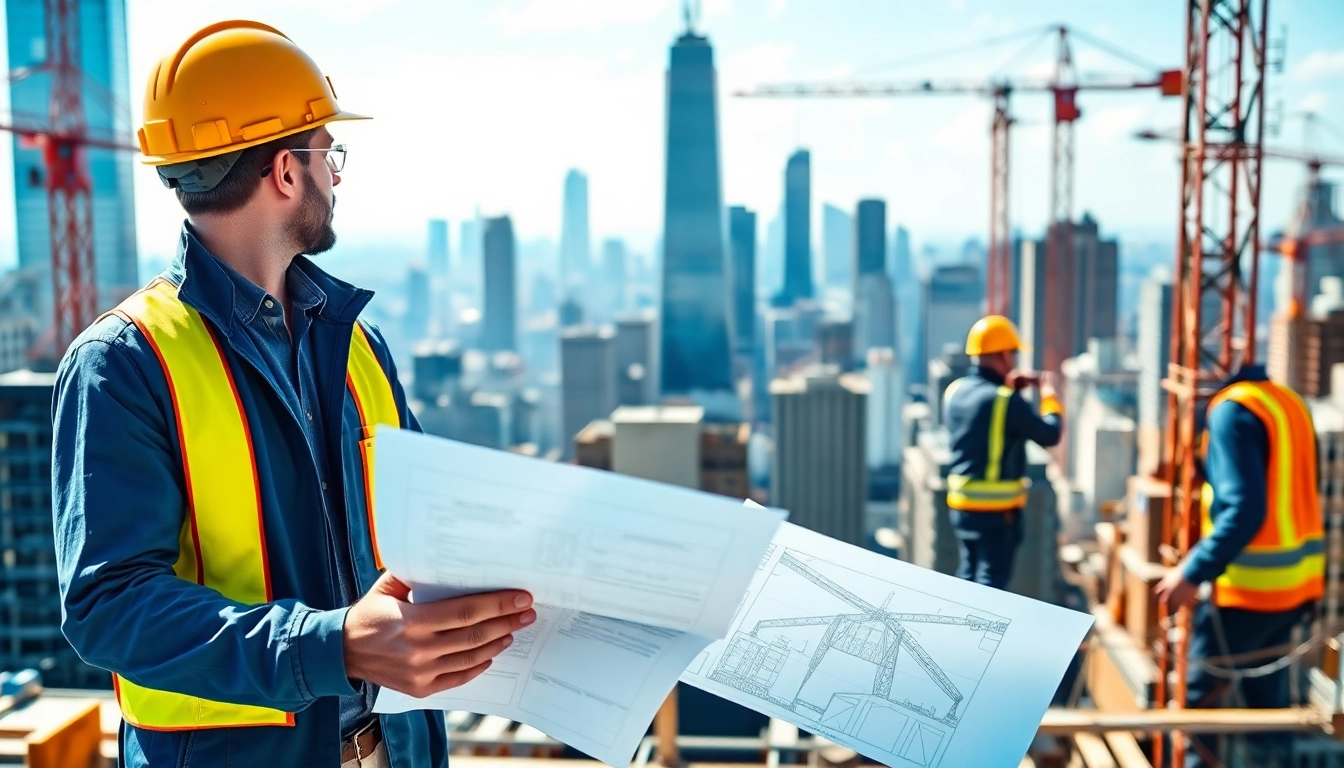
Understanding the Role of a New York City Construction Manager
The role of a New York City Construction Manager is integral to the success of construction projects across one of the most dynamic environments in the world. With a blend of technical, administrative, and leadership responsibilities, construction managers serve as the backbone of building projects in New York City. They ensure that projects are completed on time, within scope, and on budget while navigating the unique challenges that come with urban construction.
Key Responsibilities and Duties
Construction managers are responsible for overseeing the entire construction process from pre-construction planning through project completion. Their key duties include:
- Project Planning: Creating comprehensive project plans that outline objectives, timelines, deliverables, and resource allocation.
- Budget Management: Monitoring project budgets, controlling costs, and ensuring financial targets are met.
- Team Coordination: Leading and directing teams of subcontractors, architects, and site workers to achieve project goals.
- Regulatory Compliance: Ensuring adherence to local laws, building codes, and safety regulations throughout the project lifespan.
- Quality Control: Implementing quality assurance processes to guarantee that construction meets required standards.
Critical Skills for Success
To excel as a New York City construction manager, several critical skills are essential:
- Leadership: The ability to motivate and guide teams effectively is crucial, particularly in high-stress settings.
- Communication: Strong verbal and written communication skills ensure clarity among stakeholders, clients, and teams.
- Problem-Solving: Construction managers must be adept at identifying issues and developing practical solutions quickly.
- Technical Knowledge: Familiarity with construction methods, materials, and safety practices is necessary to make informed decisions.
- Negotiation: Excellent negotiation skills are vital for securing favorable terms with vendors and managing contractual obligations.
The Impact of Local Regulations
New York City has stringent regulations governing construction activities, which require managers to stay informed and compliant to avoid potential legal repercussions. The New York City Department of Buildings and various local authorities set out specific requirements regarding zoning, safety, and environmental protection that directly influence project planning and execution.
Current Trends in New York City Construction Management
The construction landscape in New York City is continuously evolving. Understanding these trends is essential for any construction manager aiming to remain competitive.
Adopting Modern Technology
Advancements in technology are reshaping construction management. Utilizing project management software, Building Information Modeling (BIM), and drones for site assessments helps construction managers maintain oversight, enhance communication, and improve project accuracy.
Emphasizing Sustainability Practices
Sustainability is becoming a top priority in New York City construction projects. Managers are increasingly focused on eco-friendly practices, such as using sustainable materials, promoting energy-efficient designs, and seeking LEED certification for buildings. This alignment with sustainability not only reduces environmental impact but can also enhance a project’s marketability and compliance with city regulations.
Market Demand and Job Opportunities
The growing urban population and the influx of businesses into New York City have increased the demand for construction projects. As a result, job opportunities for construction managers are on the rise. According to recent statistics, there are thousands of active construction manager positions within the city, which reflects the high market demand.
Challenges Faced by a New York City Construction Manager
While the role is rewarding, New York City construction managers face several unique challenges that require resilience and agility.
Managing Project Delays
Delays can be caused by various factors, including weather conditions, labor shortages, and supply chain disruptions. Effective planning, realistic scheduling, and timely communication with stakeholders are key to minimizing the impact of delays.
Navigating Complex Regulations
As mentioned previously, the strict regulations in New York City can complicate construction projects. Staying informed about changes in laws and regulations is crucial for compliance and project success.
Communication Barriers on-site
In bustling environments like New York City, clear communication can become challenging due to noise, distractions, and the presence of multiple teams on-site. Establishing robust communication channels and utilizing technology to enhance information sharing is vital to overcome this hurdle.

Best Practices for Effective Construction Management
Implementing best practices can significantly enhance project outcomes and team efficiency in construction management.
Building Strong Teams
A successful construction project hinges on a well-coordinated team. Construction managers should focus on hiring skilled professionals and foster a collaborative environment through regular team-building activities and open communication.
Utilizing Effective Project Management Tools
Leveraging project management tools can streamline workflows, improve scheduling, and facilitate task management. Tools like Gantt charts and Kanban boards can enable better visibility and tracking of project progress.
Budgeting and Cost Control Strategies
Budgeting is a core component of construction management. Implementing cost control strategies—such as tracking expenses in real time, using procurement best practices, and regularly reviewing financial performance—can prevent budget overruns.
Future Outlook for the New York City Construction Manager
The future of construction management in New York City holds promising opportunities, driven by continual urban development and technological advancements.
Emerging Opportunities in Urban Development
As New York City continues to grow, new opportunities will arise, particularly in urban redevelopment and infrastructure improvement projects. Construction managers who are adaptable and understand upcoming trends will be well-positioned to take advantage of these developments.
The Evolving Job Market
With the construction industry's expansion, the job market for construction managers will likely remain strong. Continuous professional development and adaptability to new technologies and practices will be significant for future success.
Preparing for Future Challenges
As the construction landscape evolves, managers must remain proactive in identifying potential challenges, such as labor shortages or resource availability. Embracing innovation and fostering a culture of learning and collaboration can help mitigate these challenges.
FAQs about New York City Construction Management
1. What is the average salary of a construction manager in New York City?
The average salary for a construction manager in New York City is approximately $125,340 annually, depending on experience and project complexity.
2. What qualifications are required to become a construction manager?
A typical path includes a bachelor's degree in construction management or a related field, along with relevant work experience and leadership skills.
3. How can I improve my chances of securing a construction manager position?
Gaining hands-on experience, obtaining certifications, and continuously developing management and technical skills can improve your job prospects.
4. What are common software tools used in construction management?
Popular software tools include Procore, Autodesk BIM 360, and Microsoft Project, which help with project tracking and team collaboration.
5. How does sustainability affect construction practices in NYC?
Sustainability practices are crucial for compliance with regulations and improving community relations, as green construction methods become more popular.