
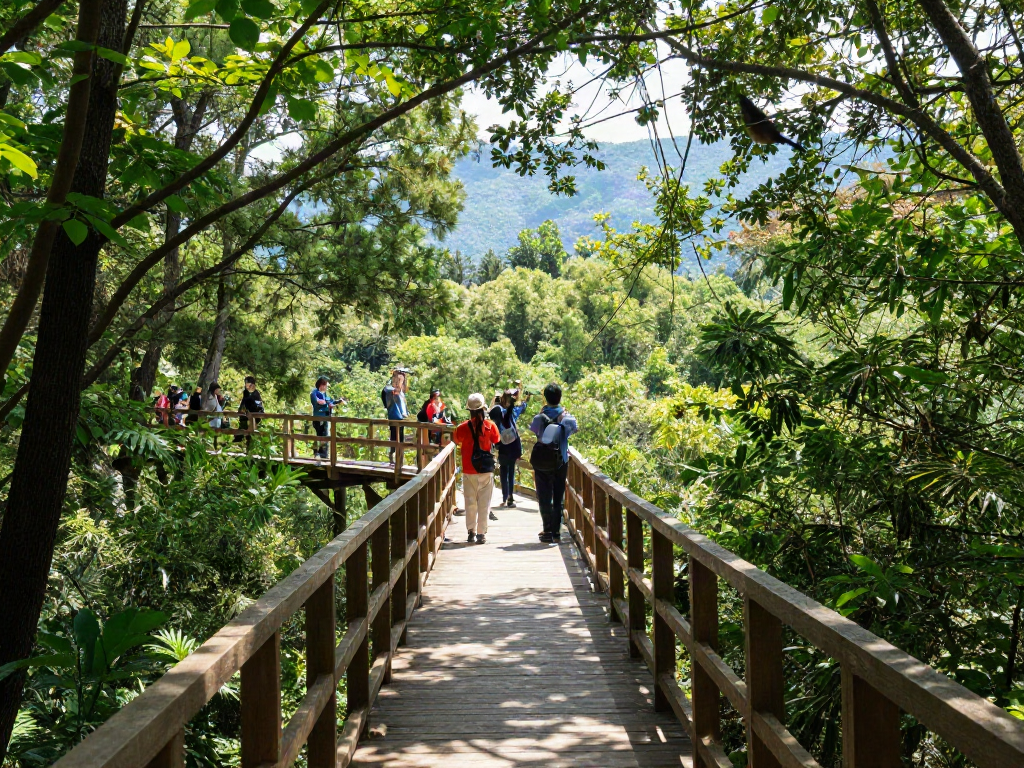
Understanding the Treetop Walkway Experience
The allure of nature has long inspired adventures that take us to breathtaking heights, and the Treetop Walkway embodies this spirit perfectly. As you stroll high above the forest floor, a unique perspective of the natural world unfolds before your eyes. The gentle swaying of the walkway intermingles with the rustle of leaves and the songs of birds, creating an immersive experience unlike any other. This article delves into the enchanting world of treetop walkways, exploring their significance, benefits, and how to make the most of your visit.
What is a Treetop Walkway?
A treetop walkway is an elevated structure that allows visitors to traverse the canopy of a forest, offering a unique vantage point of the flora and fauna typically hidden from ground-level view. Often constructed from sturdy materials like wood and steel, these walkways provide a safe path above the forest floor, enabling guests to stroll among the treetops. Ranging in length from a few hundred metres to several kilometres, treetop walkways are designed not just for leisure; they are integral to conservation efforts, education, and connecting people with nature.
The Benefits of Treetop Walkways for Nature Enthusiasts
- Enhanced Wildlife Viewing: At treetop level, visitors have the opportunity to observe birds, insects, and other wildlife in their natural habitats, often at close range.
- Educational Opportunities: Many treetop walkways incorporate informative signage and guided tours that educate visitors about the ecosystems they are exploring.
- Physical Activity: Walking on a treetop walkway encourages physical fitness as it often involves hiking to the entrance and navigating the structure itself.
- Environmental Awareness: By experiencing nature up close, visitors are more likely to develop a deeper appreciation for conservation and the importance of protecting these habitats.
Key Features to Look for in a Treetop Walkway
When considering a visit to a treetop walkway, it's essential to know what features enhance the experience:
- Accessibility: An accessible walkway allows everyone, including individuals with mobility challenges, to enjoy the experience.
- Viewing Platforms: Look for walkways with dedicated observation platforms that provide scenic views and opportunities for photography.
- Safety Features: Ensure the walkway is equipped with safety railings, non-slip surfaces, and proper signage.
- Interactive Stations: Some walkways feature spots where visitors can engage with nature through activities like birdwatching guides or sensory experiences.
Planning Your Visit to a Treetop Walkway
Choosing the Right Location for Your Adventure
Various treetop walkways exist across the globe, each offering a unique backdrop and experience. For instance, the Treetop Walk at the Royal Botanic Gardens in Kew, London, provides breathtaking views of historic trees while situated in a beautifully curated garden setting. In contrast, locations like the Wild Walk at The Wild Center in New York immerse visitors in the scenic Adirondack wilderness. Researching these options is vital for picking a walkway that suits your interests and desired level of adventure.
Best Times to Experience a Treetop Walkway
Timing your visit can significantly impact the experience. Early morning or late afternoon visits can provide stunning light for photography and increased wildlife activity. Moreover, visiting during spring or autumn allows you to witness seasonal changes that enhance the visual experience—vibrant spring blooms or striking autumn foliage can transform the canopy into a painter's palette.
What to Bring for an Enjoyable Experience
To ensure a great experience on a treetop walkway, consider packing the following essentials:
- Comfortable Footwear: Sturdy walking shoes are crucial for navigating trails leading to the walkway.
- Sunscreen and Insect Repellent: Protect your skin from sunburn and insect bites while enjoying nature.
- Water and Snacks: Stay hydrated and keep your energy levels up with easy-to-carry refreshments.
- Camera or Binoculars: Capture memories and get a closer look at fascinating wildlife.
Safety and Accessibility on Treetop Walkways
Safety Measures to Consider
Ensuring your safety while enjoying a treetop walkway experience is paramount. Look for walkways with visible safety protocols, including regular maintenance checks and secure construction materials. It’s advisable to follow all posted guidelines and instructions to ensure a safe journey. Moreover, for those prone to vertigo or who are uncomfortable with heights, assessing the walkway's height and structure beforehand can help in making informed decisions.
Accessibility Options for All Visitors
Modern treetop walkways are increasingly designed with inclusivity in mind. Many facilities now incorporate ramps and smooth surfaces that cater to visitors using wheelchairs or mobility aids. Additionally, providing clear signage and assistance staff can further enhance the experience for those requiring extra support.
Common Concerns and How to Address Them
Visitors often express concerns about heights, safety, and fitness levels. It's crucial to acknowledge these feelings; stress the importance of taking your time while walking and using designated areas for rest. Engaging with staff can also provide reassurance and assistance, making your visit more enjoyable and less stressful.
Enhancing Your Treetop Walkway Experience
Engaging Activities Along the Walkway
Many treetop walkways offer additional activities to enrich your visit, such as guided wildlife tours, educational workshops, and even interactive installations that explore the ecosystem. Participating in these activities can deepen your understanding and appreciation of the natural world.
Photographic Opportunities and Best Practices
Capturing the beauty of your treetop walk is an absolute must! To take stunning photos, consider these tips:
- Use Natural Light: Early morning or late afternoon offers softer light that enhances colours.
- Focus on Details: Capture the intricacies of leaves, flowers, or wildlife rather than just panoramic views.
- Include People: Showcasing friends or family can add scale and emotion to your images.
How to Connect with Nature and Wildlife
To truly immerse yourself in the experience, take moments to pause and listen to the sounds of the forest. Observing wildlife from a safe distance and maintaining a peaceful demeanor helps to encourage animals to carry on with their natural behaviours. Whether it’s spotting a bird in flight or listening to the rustle of leaves, these experiences deepen your connection to nature.
Future Trends in Treetop Walkway Design and Usage
Innovative Designs Emerging by 2026
As treetop walkways gain popularity, innovative designs are emerging that blend seamlessly with nature. Upcoming trends include eco-friendly materials, integrated technology such as augmented reality for enhancing educational experiences, and structures that mimic the natural environment to provide an immersive experience.
Environmental Impact and Sustainability Practices
With growing awareness of environmental issues, many treetop walkways are now designed with sustainability in mind. This includes using recycled materials for construction, promoting biodiversity in surrounding areas, and implementing conservation programs to protect local flora and fauna.
Community Engagement and Educational Programs
Future developments will likely see more emphasis on community involvement and educational outreach. Programs that engage local schools and communities in conservation efforts not only educate but foster a sense of ownership and responsibility towards local ecosystems.
Is visiting a Treetop Walkway worth it?
Absolutely! A visit to a treetop walkway can be a transformative experience, providing not only exceptional views but also a deeper understanding of our natural world. Many visitors find that the serenity and beauty of treetops are worth the journey, leaving them with lasting memories.
What are the best Treetop Walkway locations worldwide?
Some of the most notable locations include the Treetop Walkway at Kew Gardens in London, the Wild Walk at The Wild Center in New York, and the Murch Canopy Walk in Ohio. Each location offers its unique attractions, making them worth a visit for any nature lover.
How long does it take to walk a Treetop Walkway?
The time required to walk a treetop walkway varies based on the length of the structure and individual pace. On average, visitors can expect to spend anywhere from 30 minutes to a few hours exploring the walkway and its surrounding areas.
What activities can I do at a Treetop Walkway?
In addition to walking, many treetop walkways offer activities such as guided nature tours, educational workshops, birdwatching, and photography opportunities, allowing visitors to maximise their experience.
Are Treetop Walkways suitable for children?
Yes, treetop walkways are often designed with families in mind. Many facilities provide educational programs and activities that cater to children, making it an excellent way for families to enjoy nature together.