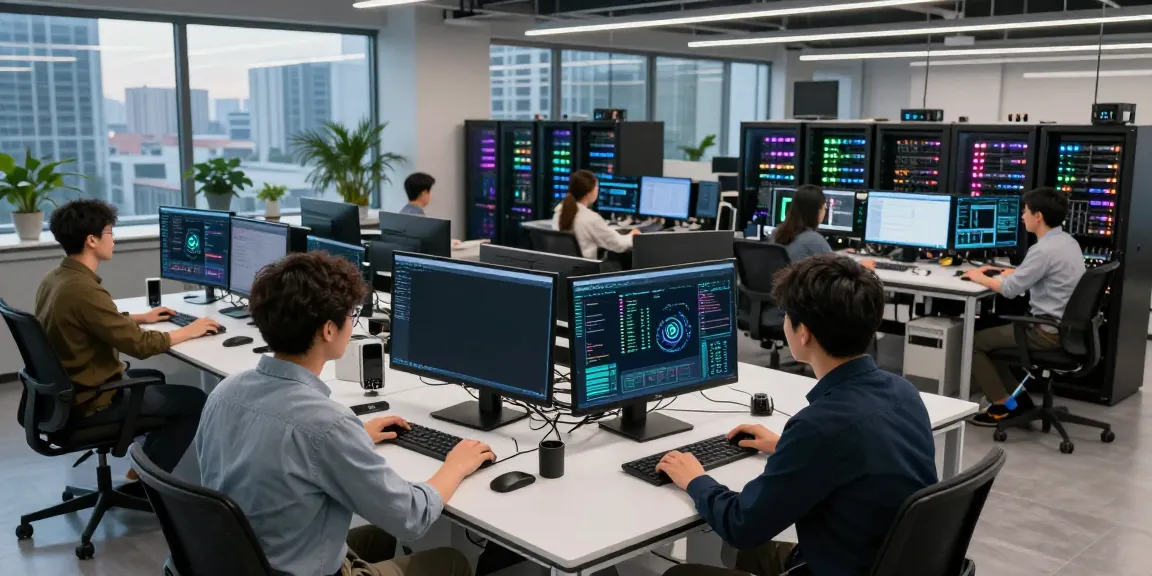
Understanding Computer Vision for CCTV
In today’s fast-paced and security-oriented world, the integration of artificial intelligence into surveillance systems has become essential. computer vision for CCTV is a cutting-edge technological advancement that transforms traditional security cameras into intelligent monitoring systems capable of interpreting and analyzing visual data in real-time. This comprehensive guide explores the intricacies of computer vision technology and its ability to enhance surveillance capabilities, drawing upon the latest trends and best practices to create safer environments.
What is Computer Vision?
Computer vision is a branch of artificial intelligence that enables machines to interpret and understand visual information from the world, mimicking human sight capability. By leveraging algorithms and advanced models, computer vision systems can recognize patterns, detect objects, and analyze visual data. This technology plays a crucial role in various applications, including facial recognition, object detection, and activity tracking, allowing for deeper insights into monitored environments.
How Does Computer Vision Enhance CCTV?
Traditional CCTV systems primarily capture video footage without offering any meaningful analysis. However, integrating computer vision elevates these systems by enabling them to process, analyze, and respond to visual data. Here are key enhancements:
- Real-time Analytics: Computer vision allows surveillance cameras to analyze footage in real-time, identifying potential threats or unusual activities as they happen.
- Automated Detection: Automated systems can differentiate between normal activities and suspicious behavior, minimizing manual monitoring efforts.
- Enhanced Data Usage: Insights from analytics can be used to improve response strategies and operational efficiency within security protocols.
Key Technologies Behind Computer Vision
The effectiveness of computer vision for CCTV hinges on several underlying technologies, including:
- Machine Learning: Algorithms that learn from data to improve their accuracy in recognizing patterns.
- Deep Learning: A subset of machine learning utilizing neural networks to process vast amounts of visual data.
- Image Processing: Techniques used to enhance and optimize image quality for better analysis.
- Artificial Intelligence: AI drives decision-making processes in real-time, including alerts and analyses.
Benefits of Computer Vision in CCTV Surveillance
Real-Time Monitoring and Analytics
One of the standout features of computer vision in CCTV is its capacity for real-time monitoring. Unlike traditional systems, computer vision-driven cameras can provide continuous analysis of streaming footage. By interpreting visual cues, these systems can immediately recognize and alert security personnel to potential threats, tremendously reducing the response time to incidents.
Improved Threat Detection
With traditional CCTV, the onus of identifying threats fell on human operators, often leading to oversight due to fatigue or distraction. Computer vision automates this process, utilizing powerful algorithms to detect a range of threats, such as unauthorized access, loitering, or trespassing. By employing deep learning techniques, the system can learn from historical data, becoming progressively better at recognizing patterns of suspicious behavior.
Operational Efficiency
By automating surveillance processes, organizations experience heightened operational efficiency. With reduced reliance on human operators, resources can be allocated to other critical areas within a security operation. Additionally, data trends can guide strategy formulation, enabling security teams to proactively address vulnerabilities and develop more effective security protocols.
Challenges in Implementing Computer Vision for CCTV
Technical Limitations
Despite its advantages, implementing computer vision for CCTV is not without challenges. Technical limitations such as image resolution, lighting conditions, and environmental factors can detract from system performance. For instance, low-quality images or poor lighting can hinder accurate detection and recognition capabilities, indicating the necessity for high-quality equipment and optimal installation environments.
Cost Considerations
Adopting a computer vision system involves substantial upfront costs related to hardware, software, and ongoing maintenance. While the long-term savings and efficiencies created by these systems often justify the investment, organizations must evaluate their budgetary constraints carefully before proceeding. Additionally, costs associated with training personnel to operate and manage new technologies must also be factored in.
Privacy Concerns
Privacy remains a significant challenge in the ever-evolving landscape of surveillance technology. With the capability of computer vision systems to track individuals, ethical considerations around privacy invasion and consent arise. It is imperative for organizations to establish transparency and adhere to legal regulations to safeguard individuals’ rights while implementing security measures.
Case Studies: Successful Applications of Computer Vision for CCTV
Retail Security Enhancements
Retail environments have successfully integrated computer vision for enhanced security and customer experience. Advanced systems can track customer movements, helping to identify theft and ensure compliance with store policies. Additionally, insights derived from customer behavior can inform layout designs and marketing efforts.
Traffic Monitoring Solutions
In urban settings, computer vision helps monitor traffic patterns and encourage safer driving behaviors. Systems can detect traffic violations such as speeding and running red lights while analyzing congestion levels, allowing city planners to adjust infrastructure and improve public safety.
Safety Protocols in Public Spaces
Deployment of computer vision for CCTV in public spaces such as airports or malls enhances safety and ensures compliance with health protocols. For instance, systems capable of crowd detection and movement analysis have been invaluable during public health crises, helping authorities maintain safety measures and manage crowd flow effectively.
Future of Computer Vision in CCTV Technologies
Integration with IoT and Smart Systems
The future landscape of computer vision for CCTV promises vast enhancements with increased integration into the Internet of Things (IoT). This convergence allows for seamless data sharing across devices, creating comprehensive security ecosystems capable of responding to threats with precision and collaboration among various smart systems.
Advancements in AI Algorithms
As machine learning and AI technologies continue to evolve, so too will computer vision capabilities. Future advancements may include more sophisticated algorithms capable of analyzing context and behavior comprehensively, leading to smarter and more responsive surveillance systems. Enhanced predictive analytics will empower organizations to solve potential security issues before they escalate.
Trends to Watch
Key trends that will likely influence the future of computer vision in CCTV encompass greater emphasis on privacy-preserving techniques, the democratization of AI tools making them accessible to smaller organizations, and the growing demand for adaptable and easily integrable systems to fit diverse operational needs. Companies will increasingly prioritize solutions that deliver both security and ethical considerations.
FAQs
What is computer vision for CCTV?
Computer vision for CCTV involves using AI technologies that allow cameras to analyze and interpret visual data rather than just capturing images.
How does computer vision improve surveillance?
It enhances surveillance by enabling real-time threat detection, facial recognition, and automated monitoring, making systems smarter and more responsive.
Are there privacy concerns with computer vision for CCTV?
Yes, privacy concerns are significant as surveillance can inadvertently invade personal space without consent, emphasizing the need for regulations.
What are the costs associated with implementing computer vision?
Costs vary based on the technology used, system integration, and scale of deployment, often requiring a significant initial investment but valued for long-term savings.
What future advancements can we expect in this field?
We can expect greater integration of computer vision with IoT, smarter AI algorithms for better analysis, and advanced data privacy protocols.