Introduction to Bobcat Machinery
Bobcat machinery has earned a reputation for being a pivotal tool in various industries, with a primary focus on construction and landscaping. Known for their versatility, bobcat machines are compact, easy to maneuver, and capable of tackling an array of tasks effectively. In this article, we will explore everything there is to know about bobcats, from their features and history to their multifaceted applications in construction and the benefits they bring to any project.
Understanding Bobcat Equipment
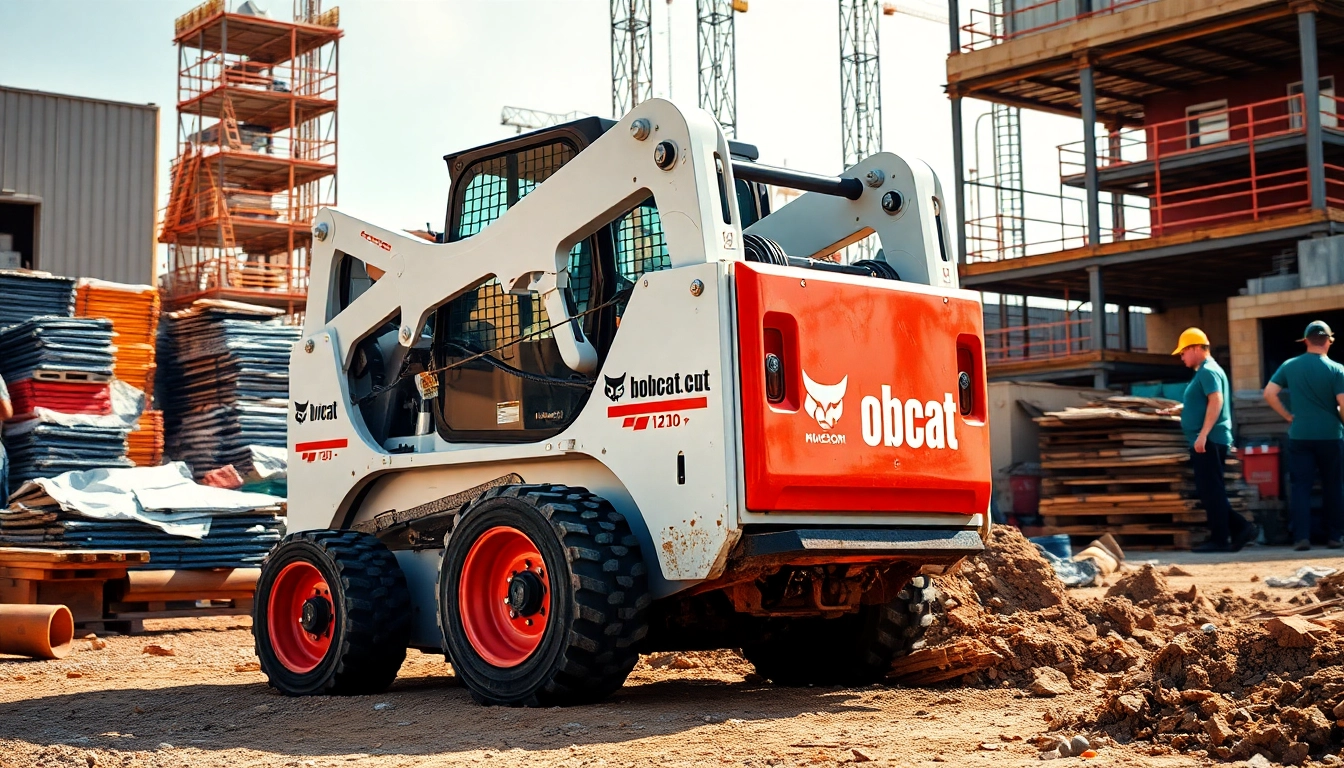
Bobcat equipment refers to a line of compact machinery produced by Bobcat Company, including skid-steer loaders, mini excavators, and utility vehicles. Renowned for their small footprint, these machines are designed to deliver the same power and efficiency as larger machines while retaining the ability to maneuver in tight spaces. The key to their functionality lies in advanced engineering that balances weight distribution and enhanced traction, making them suitable for various tasks such as digging, grading, and lifting.
Key Features of a Bobcat
- Compact Size: The compact dimension of bobcats allows for easy navigation through confined spaces, enhancing site accessibility.
- Versatility: With numerous attachments available, bobcats can perform numerous tasks including hauling materials, grading, or compacting soil.
- Powerful Engine: Despite their smaller sizes, bobcats are equipped with robust engines that deliver exceptional power and efficiency to execute heavy-duty operations.
- Ease of Operation: Bobcats feature intuitive controls which make it easier for operators, even those with limited heavy machinery experience.
- Safety Features: Modern bobcats come with integrated safety guards and stability systems, reducing the risk of accidents on job sites.
Historical Overview of Bobcat Machinery
The Bobcat Company was founded in 1947, originally as a manufacturer of a compact loader named the “M-60.” Over the decades, the company has evolved significantly, enhancing its product range and technologies. In 1960, the company introduced the skid-steer loader, a game-changing vehicle that revolutionized the way light construction tasks were performed. With continuous innovations in design and engineering, the bobcat has become synonymous with compact construction equipment, leading the market in efficiency and reliability.
Applications of Bobcat in Construction
Bobcat machinery finds extensive applications in the construction industry due to its ability to perform a variety of tasks efficiently. Here’s a closer look at how bobcats contribute to construction projects.
Site Preparation and Excavation
Site preparation is a crucial aspect of any construction project, and bobcats excel in this area. They are used for excavating land, grading surfaces, and digging foundations. The powerful hydraulic arms on these machines allow operators to execute precise movements, necessary for creating stable and level ground for building. Furthermore, the ability to equip bobcats with different attachments (such as augers and buckets) means that they can handle both light and heavy-duty excavation work, making them an invaluable resource on construction sites.
Landscaping with a Bobcat
In landscaping, bobcats play a vital role in moving large quantities of soil, mulch, and other materials. They can quickly clear debris, level uneven terrain, and dig trenches for irrigation systems or planting beds. With specialized attachments, such as landscape rakes and grapple buckets, bobcats can manage various landscaping tasks, from soil preparation to the installation of hardscaping features, all with minimal effort and maximum productivity.
Efficient Material Handling
Transportation of materials on job sites can be cumbersome, but bobcats simplify this task through their high lifting capabilities and agility. Contractors often use bobcats to load and move heavy materials like bricks, stones, or timber with ease. The ability to stack materials onto higher surfaces or transport them short distances efficiently minimizes downtime and labor costs, allowing projects to proceed smoothly and swiftly.
Benefits of Using Bobcat in Construction Projects
The adoption of bobcat equipment in construction not only enhances productivity but also yields various benefits that project managers and contractors can capitalize on.
Increased Maneuverability and Compactness
One of the most notable advantages of bobcats is their compact size, making them extraordinarily maneuverable. This design allows them to navigate tight spaces that larger machines cannot access, such as residential lots or congested urban environments. The maneuverability results in greater efficiency, as operators can complete tasks in areas that would typically require extensive labor and time with larger equipment.
Cost-Effectiveness of Bobcat Equipment
Investing in bobcat machinery translates to cost savings for contractors. The ability to perform multiple tasks with a single piece of equipment means reduced rental and maintenance costs. Additionally, their efficiency lowers fuel consumption, adding further to operational savings. When considering long-term usage, the return on investment for bobcat equipment becomes apparent, making it a smart choice for construction businesses.
Safety Features of Bobcat Machinery
Bobcats are designed with safety in mind, equipped with various features that enhance operator safety and minimize job site accidents. These include rollover protective structures (ROPS), backup alarms, and enhanced visibility from the operator's cab. The intuitive controls also contribute to more straightforward operations, reducing the likelihood of errors that could lead to accidents. Ensuring safety on-site not only protects workers but also helps in maintaining efficiency and productivity.
Maintenance Practices for Bobcat Equipment
Regular maintenance is essential for ensuring the longevity and performance of bobcat equipment. Implementing a robust maintenance schedule can prevent costly repairs and extend the life of the machinery.
Routine Checks and Maintenance Tips
To keep bobcats in optimal operating conditions, operators should perform regular checks that include assessing oil and fluid levels, inspecting the hydraulic system, and checking tires for wear. Regular cleaning of filters, along with seasonal servicing, can also sustain the equipment's performance. Operators are advised to log maintenance activities for record-keeping, which can be valuable for evaluating performance over time.
Identifying Common Issues
Some common issues that bobcat operators may encounter include hydraulic failures, engine overheating, and tire wear. Regular inspections can help identify these problems early. Operators should be trained to recognize warning signs such as unusual noises, leaks, or changes in machinery performance. Addressing these issues promptly can prevent more significant mechanical failures.
Hiring Professional Maintenance Services
While routine maintenance can often be performed by operators, hiring professional service providers for more complex repairs ensures that the equipment is serviced correctly. Professional technicians have specialized knowledge and access to diagnostic tools to resolve issues that may not be immediately apparent to regular operators. Establishing a relationship with a reliable maintenance service can help ensure that the machinery remains in peak performance condition.
FAQs about Bobcat Equipment
What is a Bobcat used for?
A bobcat is used for various construction and landscaping tasks, including excavation, grading, soil compaction, and material handling.
How do I choose the right Bobcat model?
Choosing the right bobcat model depends on the type of tasks you intend to perform, the size of the job site, and the required lifting capacity.
What is the cost of renting a Bobcat?
The cost of renting a bobcat can vary widely based on the model, rental duration, and region, with daily rates generally ranging from $200 to $600.
How do I maintain a Bobcat?
Maintaining a bobcat involves regular checks of fluids, inspections of hydraulic systems, cleaning filters, and scheduling professional servicing when necessary.
Is training required to operate a Bobcat?
While formal training is not always required, it is highly recommended for safe and effective operation, especially for those new to heavy machinery.