
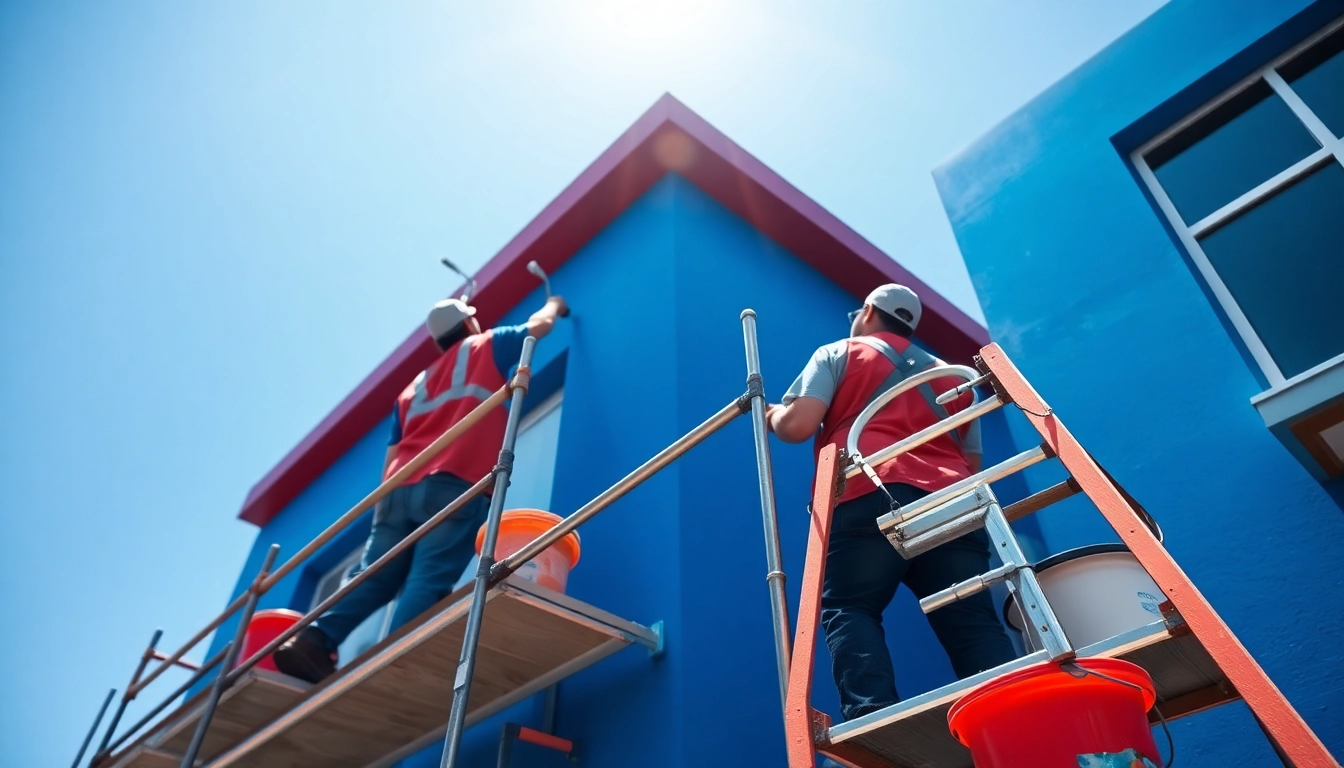
Understanding Commercial Paint Services
What Are Commercial Paint Services?
Commercial paint services refer to professional painting solutions designed specifically for commercial buildings and spaces. These services encompass a wide range of activities tailored for various types of facilities including offices, retail stores, warehouses, and more. With an eye towards aesthetics, durability, and functionality, commercial paint services employ skilled techniques to transform and maintain large-scale environments. Understanding this segment of painting is crucial for businesses looking to enhance their premises and improve their professional image.
Types of Commercial Painting Projects
Commercial painting projects can vary significantly in scope and purpose, leading to several distinct categories:
- Interior Painting: This includes painting walls, ceilings, and other surfaces inside a building. It often focuses on creating a welcoming environment that aligns with a brand's identity.
- Exterior Painting: Involves painting the outside of buildings to improve curb appeal and protect surfaces from weather damage.
- Specialty Coatings: Includes materials like anti-graffiti paint, textured coatings, or even fire-retardant finishes that serve specific functional purposes.
- Industrial Painting: This specialized area deals with painting factories and warehouses, often employing durable coatings that resist harsher conditions.
Benefits of Professional Commercial Painting
Engaging professional commercial painting services offers numerous benefits that extend beyond the visible results. Some key advantages include:
- Quality Finish: Professionals ensure high-quality workmanship, resulting in a superior finish that enhances the overall look of the premises.
- Time Efficiency: Professionals bring expertise and equipment, completing projects in a fraction of the time it would take an untrained individual.
- Minimal Disruption: Experts can work during off-hours or weekends to mitigate disruption to business operations.
- Expert Consultation: Professionals can provide valuable insights regarding color selection, techniques, and material options that align with the business's branding.
Choosing the Right Commercial Paint Service
Key Factors to Consider When Hiring
Choosing the right commercial paint service is crucial to achieving the desired outcome without unforeseen issues. Here are key factors to consider:
- Experience: Look for a company with a proven track record in commercial painting projects similar to yours.
- Portfolio: Review past work to assess their quality and style. A well-rounded portfolio can showcase their versatility.
- References: Request references from previous clients to gauge their satisfaction with the services provided.
- Insurance and Licensing: Confirm that the company is insured and holds the necessary licenses to operate in your region.
Questions to Ask Your Painting Contractor
When interviewing potential painting contractors, consider asking the following questions to ensure you're making an informed decision:
- What types of commercial projects do you specialize in?
- Can you provide a detailed estimate, including labor, materials, and timelines?
- What precautions do you take regarding safety and compliance with local regulations?
- Do you offer warranties or guarantees on your work?
- How do you handle unexpected complications during the project?
How to Verify Credentials and Experience
Validating the credentials of a potential commercial painting contractor is vital for ensuring you hire the right professionals. Start by checking their licensing and certifications with relevant state or local authorities. Seeking reviews on platforms such as Google or Yelp can provide insights into a contractor's reputation. Additionally, contacting former clients can reveal firsthand experiences regarding their professionalism and the quality of work delivered.
Preparing for a Commercial Paint Job
Initial Site Assessment and Consultation
A thorough site assessment before any work begins is essential. This process allows the painting contractor to determine the scope of the job, including necessary preparation, materials required, and potential challenges. During the initial consultation, businesses should express their preferences, discuss color schemes, and establish timelines that align with their operational needs.
Surface Preparation Techniques
The success of a commercial paint job heavily relies on proper surface preparation. Techniques include:
- Cleaning: Surfaces must be thoroughly cleaned to remove dirt, grease, and mold, using power washing or other methods.
- Repairing: Any cracks, dents, or holes should be repaired before painting to ensure a smooth finish.
- Priming: Primer is often applied to enhance adhesion and longevity, especially on challenging surfaces or over old paint.
Scheduling and Timelines
Scheduling the painting project to minimize disruption to business operations is key. Professional contractors typically provide a timeline that details the phases of the project, allowing businesses to prepare adequately. Open communication is vital throughout this process to ensure all parties are aligned with the project schedule.
Execution of Commercial Painting Projects
Step-by-Step Process of Painting
The painting process typically unfolds in several stages, including:
- Preparation: Setting up the area to protect floors and furniture, along with taping and covering edges.
- Priming: If necessary, applying a primer coat to ensure better adherence and color accuracy.
- Painting: Applying paint using brushes, rollers, or sprayers based on the surface requirements.
- Clean-Up: Properly cleaning tools and work areas to leave the site in immaculate condition after job completion.
Quality Control Measures
To ensure the highest standards, several quality control measures must be in place during the painting process:
- Regular Inspections: Conducting on-site inspections at various stages of the project for adherence to quality standards.
- Feedback Loops: Establishing clear channels for communication between the crew and project managers to address any issues promptly.
- Final Walkthrough: After completion, conducting a final inspection with the client to ensure satisfaction.
Tools and Materials Used in Commercial Paint Services
Understanding the tools and materials used in commercial painting can help businesses appreciate the complexity involved in the job. Key items include:
- Paints: Commercial-grade paints are often specially formulated for durability and appearance.
- Application Tools: Quality brushes, rollers, and spray equipment are essential for achieving professional results.
- Safety Gear: Personal protective equipment for workers ensures safety during all phases of the painting job.
- Cleaning Supplies: Items for cleaning surfaces pre- and post-painting, which contribute to a polished final product.
Post-Painting Considerations
Maintenance Tips for Longevity
Once the paint job is complete, proper maintenance helps prolong the life of the finish. Tips include regular cleaning, immediate touch-ups of any damages, and yearly inspections to check for signs of wear. Establishing a routine maintenance schedule can significantly extend the lifespan of the paint job, maintaining the premises' aesthetic appeal.
Signs Your Paint Job Needs Attention
Regular inspections can help in identifying signs that a paint job needs attention. Common indicators include:
- Peeling or Cracking: These signs indicate that the paint is no longer adhering properly and may require a repaint.
- Fading: Over time, colors can fade due to sun exposure; this often calls for repainting.
- Mold or Mildew: Unpleasant odors or visible growths can signal underlying moisture issues linked to failing paint.
Cost Management and Budgeting for Future Projects
Appropriate budgeting is crucial for managing costs effectively. Businesses should consider not only the initial costs of the painting project but also ongoing maintenance. Keeping track of expenditures will help inform future painting projects and allocate funds appropriately. Setting aside a maintenance budget can also ensure that timely touch-ups and periodic re-painting can be conducted without financial strain.
Frequently Asked Questions (FAQs)
1. How long does a commercial paint job typically take?
The duration of a commercial paint job varies based on the project's size, type, and complexity. Typically, a few days to a week is common for standard jobs.
2. What type of paint is best for commercial spaces?
Commercial-grade paints are recommended for durability and finish quality. These paints are often formulated for resistance to scuffs, stains, and weather conditions.
3. How often should commercial properties be repainted?
Timeframes can vary depending on environment and exposure, but a general rule is every 5 to 7 years, with periodic inspections for touch-ups in between.
4. Can I stay open during a commercial painting project?
Many professional painting services can schedule work during off-hours or though strategic planning to minimize disruption to business operations.
5. Are green or eco-friendly paints available for commercial use?
Yes, many manufacturers offer eco-friendly paints that have lower volatile organic compounds (VOCs), making them suitable for health-conscious commercial environments.
Contact Information
Address:Branam Brushworks LLCCall Us:+12076168892