
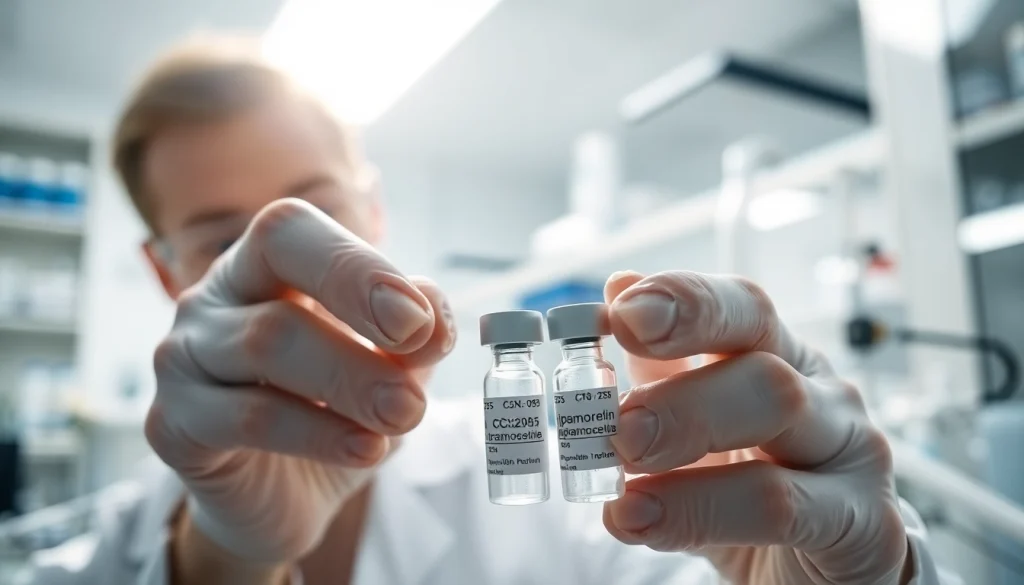
Introduction to Research Peptides
Research peptides have garnered significant attention in recent years, particularly in the fields of medicine and athletic performance enhancement. These short chains of amino acids serve as vital signaling molecules in biological processes, leading to their exploration for various therapeutic applications. For those interested in sourcing them, there is a notable option available with the tb-500 peptide for sale.
What are Research Peptides?
Research peptides are small proteins that consist of sequences of amino acids, typically below 100 amino acids in length. They act as hormones and neurotransmitters, triggering specific biological responses when introduced into the body. By mimicking the effects of naturally occurring peptides, they can influence various physiological processes, ranging from muscle growth to immune responses. This versatility makes research peptides a focal point in both clinical trials and anecdotal studies within the sports and wellness communities.
History of Peptide Research
The scientific exploration of peptides began in the early 20th century, gaining momentum with advancements in biochemistry and molecular biology. The first peptides to be synthesized were simple ones, such as insulin, which had profound implications for diabetes management. Over the decades, researchers have expanded their understanding of peptide structures and functions, facilitating novel therapeutic approaches in endocrinology, oncology, and regenerative medicine. Today, the exploration of peptides continues to evolve, with new methods of synthesis and discovery annotating promising pathways for treatment protocols.
Applications in Medicine
Research peptides have broad applications in the medical field. They are actively investigated for their roles in pain management, wound healing, muscle repair, hormone replacement therapies, and even cancer treatment. Due to their specificity, peptides often exhibit fewer side effects compared to traditional pharmaceuticals, making them attractive alternatives for a range of conditions. Using peptides like TB-500, researchers are exploring new frontiers in tissue regeneration and recovery strategies, offering hope for both athletes recovering from injury and patients enduring chronic ailments.
The Science Behind TB-500 Peptide
What is TB-500?
TB-500, also known as Thymosin Beta-4, is a peptide that naturally occurs in the body and is instrumental in healing and regeneration processes. Formed of 43 amino acids, TB-500 is derived from thymosin, a protein synthesized by the thymus gland. Originally studied for its role in enhancing cell migration and tissue repair, TB-500 has gained popularity among researchers and athletes alike for its potential to accelerate recovery and improve physical performance.
Biological Mechanisms of Action
The primary mechanism of TB-500 lies in its ability to promote cell migration and proliferation, which are essential for tissue regeneration. It achieves this through various pathways, including the upregulation of actin, a structural protein crucial for cellular movement. TB-500 also possesses anti-inflammatory properties and can inhibit excessive scar tissue formation, providing a dual benefit of enhancing both the speed and quality of healing. By aligning various cellular processes, it allows for more effective recovery from injuries.
Potential Benefits of TB-500 Peptide
Numerous studies and anecdotal reports suggest that TB-500 may offer a range of benefits, including:
- Accelerated wound healing and tissue repair.
- Reduction in inflammation and scar tissue.
- Improvement in flexibility and range of motion.
- Enhanced endurance and physical performance.
- Promotion of hair growth in cases of alopecia.
As researchers continue to explore its potential, the breadth of benefits associated with TB-500 could further expand, solidifying its relevance in various therapeutic contexts.
How to Source Quality TB-500 Peptide
Identifying Reputable Suppliers
The demand for TB-500 has led to an influx of suppliers, making it essential for researchers and consumers to navigate this landscape carefully. Key characteristics of reputable suppliers include transparency in sourcing, open communication, and a proven track record of quality. Reading reviews, seeking recommendations, and verifying lab certifications can assist in identifying trustworthy sources. It's critical to purchase from providers who prioritize the integrity and purity of their peptides.
Understanding Lab Testing and Quality Control
Quality control in peptide synthesis involves rigorous testing to ensure products meet specified purity and concentration levels. Reputable suppliers typically provide third-party lab test results demonstrating both the identity and purity of their peptides. Understanding standard testing protocols, such as high-performance liquid chromatography (HPLC) and mass spectrometry, can help consumers discern high-quality products from inferior alternatives. Prioritizing peptides that come with validated test results is paramount for effective research or treatment.
Regulations around TB-500 Peptide
The regulatory landscape for peptides, including TB-500, varies by country. In many regions, TB-500 is classified as a research chemical, not yet approved for human consumption or therapeutic use. This status underscores the need for consumers to be discerning when sourcing TB-500. Adhering to local laws and understanding the implications of purchasing research chemicals is essential for ensuring compliance and safety.
Administration and Dosage Guidelines
Common Administration Methods
TB-500 can be administered through several methods, with subcutaneous and intramuscular injections being the most common. The chosen method often depends on the area of treatment and the specific goals of the administration. Because TB-500 is injected directly into the body, it is crucial to follow sterile techniques and proper handling to minimize infection risks. Proper administration techniques can significantly impact the efficacy of the peptide.
Dosage Recommendations
While precise dosage can vary based on individual requirements and goals, a common guideline for TB-500 usage in research settings is a dosage of 2-2.5 mg per week, typically administered in divided doses. For recovery from significant injuries, some protocols suggest higher initial doses followed by a tapering approach. It's vital to approach dosing carefully, gradually increasing as needed while monitoring effects closely to prevent potential adverse reactions.
Monitoring Effects and Side Effects
Monitoring the effects of TB-500 is crucial, as individual responses can vary markedly. Commonly reported effects include improved healing and reduced inflammation. However, potential side effects may include fatigue, irritation at the injection site, or allergic reactions. Keeping a detailed journal of symptoms and progress can help identify beneficial effects versus any adverse reactions, guiding future administration strategies.
Future of Peptide Therapeutics
Emerging Research Trends
The future of peptide therapeutics looks promising, with ongoing research shedding light on novel applications and mechanisms. As scientists continue to unravel the complexities of peptide interactions and their effects on human physiology, potential new uses may emerge in fields like regenerative medicine, aging, and metabolic health. Advanced synthesis techniques and personalized medicine paradigms may further enhance the utility of peptides in clinical settings.
Potential Market Growth and Opportunities
The peptide therapeutics market is on the rise as demand grows for targeted, effective treatments with fewer side effects. Companies specializing in biopharmaceuticals are investing heavily in peptide-based therapies, paving the way for innovative solutions to longstanding medical challenges. As the market matures, opportunities for novel peptide research could significantly impact healthcare approaches and patient outcomes.
Ethical Considerations in Peptide Research
As with any emerging technology, ethical considerations must be at the forefront of peptide research and application. Issues surrounding accessibility, misuse in competitive sports, and potential long-term health impacts still need to be thoroughly examined. Establishing guidelines and regulatory frameworks will be critical in ensuring responsible research and application of peptides like TB-500, balancing innovation with safety and ethical responsibility.
Frequently Asked Questions
1. What is the primary function of TB-500?
TB-500 primarily promotes tissue repair and regeneration, aiding in healing and cell migration.
2. How is TB-500 administered?
TB-500 is commonly administered via subcutaneous or intramuscular injections, depending on treatment goals.
3. Are there any side effects associated with TB-500?
Potential side effects include injection site irritation, fatigue, and allergic reactions, although severe effects are rare.
4. Can TB-500 be used for performance enhancement?
TB-500 is often studied for its potential in enhancing recovery, which may indirectly support athletic performance.
5. Is TB-500 approved for human use?
TB-500 is classified as a research chemical and currently lacks FDA approval for human therapeutic use.