
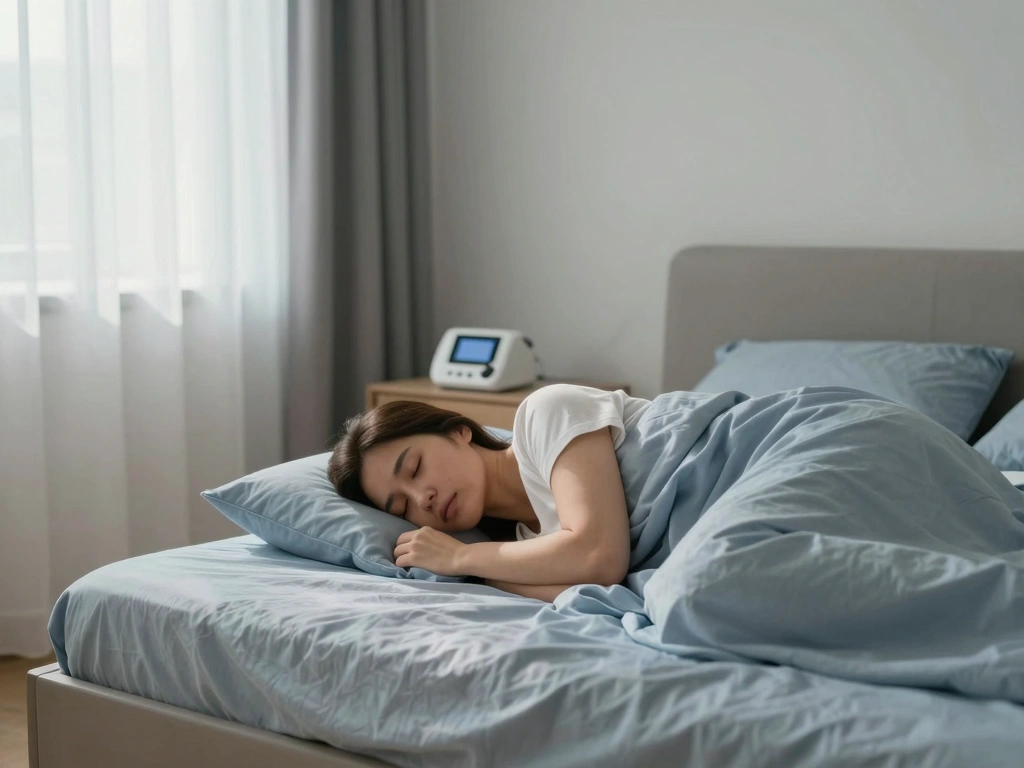
Why Sleep Apnea is Often Under-Diagnosed in Women
Sleep apnea, a common yet serious sleep disorder characterized by repeated interruptions in breathing during sleep, affects millions of individuals globally. While it is widely recognized that sleep apnea is prevalent among men, the condition is often under-diagnosed in women. This article delves into the multifaceted reasons behind the under-diagnosis of sleep apnea in women, focusing on biological differences, symptom presentation, healthcare provider awareness, and cultural factors.
Biological Differences in Sleep Patterns
Hormonal Influences on Sleep
The female body undergoes significant hormonal fluctuations throughout various life stages, such as puberty, menstruation, pregnancy, and menopause. These hormonal changes can profoundly affect sleep quality and patterns. For instance, progesterone, which has a sedative effect, fluctuates during the menstrual cycle. Research indicates that women may experience more fragmented sleep during their premenstrual phase due to increased sensitivity to sleep disturbances.
Moreover, pregnancy can lead to increased weight and changes in airway anatomy, heightening the risk of sleep apnea. According to a study published in the American Journal of Obstetrics and Gynecology, pregnant women are at a heightened risk for developing sleep-disordered breathing due to physiological changes that happen during this period.
Impact of Menopause on Sleep Quality
Menopause is another critical period affecting women's sleep. The decline in estrogen levels during menopause not only disrupts sleep architecture but can also lead to increased sleep fragmentation and insomnia. A survey from the National Sleep Foundation found that 61% of women aged 40 to 64 reported sleep difficulties associated with menopause, which can mask the symptoms of sleep apnea. This overlap often leads to the misdiagnosis of sleep disorders as mere menopausal symptoms.
Variations in Sleep Architecture Between Genders
Research indicates that women experience differences in sleep architecture compared to men. Women tend to have longer periods of REM sleep, which is essential for cognitive function and emotional well-being. However, this difference can complicate the identification of sleep apnea. In women, the apnea-hypopnea index (AHI)—a measure used to diagnose sleep apnea—may present differently, often showing fewer apneas but more hypopneas, which can lead to an underestimation of the severity of the disorder.
Symptom Presentation and Diagnosis
Common Misinterpretations of Symptoms in Women
Women often present with less typical symptoms of sleep apnea than men, who may frequently exhibit loud snoring and observed apneas. Instead, women might report insomnia, fatigue, or mood disturbances, which can be misattributed to stress, depression, or other conditions. A study published in the journal Chest found that women are more likely to experience daytime sleepiness, headaches, and cognitive impairment, which are often overlooked as signs of sleep apnea.
Underreporting of Symptoms and Its Consequences
Many women may underreport symptoms due to cultural expectations and societal norms that encourage women to prioritize caregiving over self-care. This self-neglect can lead to a lack of recognition of one's symptoms. A survey revealed that only 30% of women with suspected sleep apnea sought medical attention, often attributing their symptoms to lifestyle factors rather than a medical condition. This underreporting not only delays diagnosis but can also exacerbate health issues associated with untreated sleep apnea.
Gender Bias in Clinical Assessment
Gender bias in clinical assessment plays a significant role in the under-diagnosis of sleep apnea in women. Healthcare providers may inadvertently hold misconceptions regarding women's susceptibility to sleep apnea. A study published in the Journal of Clinical Sleep Medicine indicated that physicians often associate sleep apnea primarily with male patients, leading to a lower index of suspicion when evaluating female patients. This bias can result in inadequate questioning around sleep symptoms and ultimately, misdiagnosis.
Lack of Awareness Among Healthcare Providers
Training Gaps in Recognizing Sleep Disorders in Women
Healthcare providers often lack sufficient training in recognizing sleep disorders in women. Traditional medical education has historically focused on male-centric models, leading to gaps in knowledge about how sleep disorders manifest differently in women. For instance, when trained to recognize sleep apnea, many providers may rely on male-centric symptom profiles, thus missing the opportunity to diagnose female patients accurately.
Influence of Stereotypes on Diagnostic Practices
Gender stereotypes can also influence how symptoms are perceived and diagnosed. Women may be perceived as more emotional or prone to anxiety, leading healthcare providers to attribute sleep issues to psychological rather than physiological causes. This stereotype can prevent clinicians from exploring sleep apnea as a potential diagnosis, leaving women without the appropriate care they need.
Limited Research Focus on Female Sleep Apnea
Research on sleep apnea has predominantly focused on male subjects, resulting in a limited understanding of how the disorder affects women. A report from the National Institutes of Health (NIH) indicated that only 35% of studies on sleep apnea included female participants. This disparity in research leads to a lack of evidence-based guidelines for diagnosing and treating sleep apnea in women, contributing to ongoing under-diagnosis.
Cultural and Social Factors
Stigmas Surrounding Women's Health Issues
Stigmas associated with women's health issues can also lead to the under-diagnosis of sleep apnea. Many women may feel embarrassed or reluctant to discuss sleep problems, especially if they are perceived as trivial or unimportant. Stigmas surrounding conditions like obesity and mental health can further complicate the conversation, making it less likely for women to seek help.
Societal Expectations and Self-Care
Societal expectations often dictate that women take on multiple roles, from career professionals to primary caregivers. This can lead to neglect of personal health concerns, including sleep. A report from the American Psychological Association indicated that women are more likely to prioritize family and work over their health, often leading to inadequate sleep and unrecognized health issues like sleep apnea.
The Role of Caregivers in Recognizing Symptoms
Caregivers and family members often play a critical role in recognizing sleep apnea symptoms. However, societal norms can lead to a lack of acknowledgment of women's health issues. Family members may dismiss a woman's complaints as typical stress or fatigue rather than recognizing them as potential signs of sleep apnea. Raising awareness among caregivers about the symptoms of sleep apnea in women is crucial for early diagnosis and treatment.
Consequences of Under-Diagnosis
Impact on Overall Health and Well-being
Untreated sleep apnea can have dire consequences on a woman's overall health and well-being. Chronic sleep deprivation can lead to a host of health issues, including cardiovascular disease, diabetes, and obesity. A study in the American Journal of Cardiology found that women with untreated sleep apnea had a 50% higher risk of developing heart disease compared to their male counterparts. This underscores the critical need for timely diagnosis and treatment.
Long-term Effects on Mental Health
The mental health implications of untreated sleep apnea are equally concerning. Women are more susceptible to anxiety and depression, and sleep apnea can exacerbate these conditions. A meta-analysis published in the Journal of Clinical Psychiatry revealed that women with sleep apnea had a significantly higher risk of developing mood disorders. The cyclical relationship between sleep disturbances and mental health issues can create a vicious cycle, ultimately impacting the quality of life.
Economic Implications of Untreated Sleep Apnea in Women
The economic implications of untreated sleep apnea in women are significant. According to the Centers for Disease Control and Prevention (CDC), the annual cost of lost productivity due to sleep disorders is estimated to be around $63 billion in the United States alone. Women suffering from untreated sleep apnea may experience increased healthcare costs due to comorbid conditions and decreased productivity at work, creating a financial burden on both individuals and the healthcare system.
In conclusion, the under-diagnosis of sleep apnea in women is a complex issue influenced by biological, societal, and healthcare-related factors. Acknowledging these barriers is essential for improving diagnosis rates and ensuring that women receive the appropriate care for this serious condition. Efforts must be made to enhance awareness among healthcare providers, promote research on female-specific symptoms, and empower women to advocate for their health.